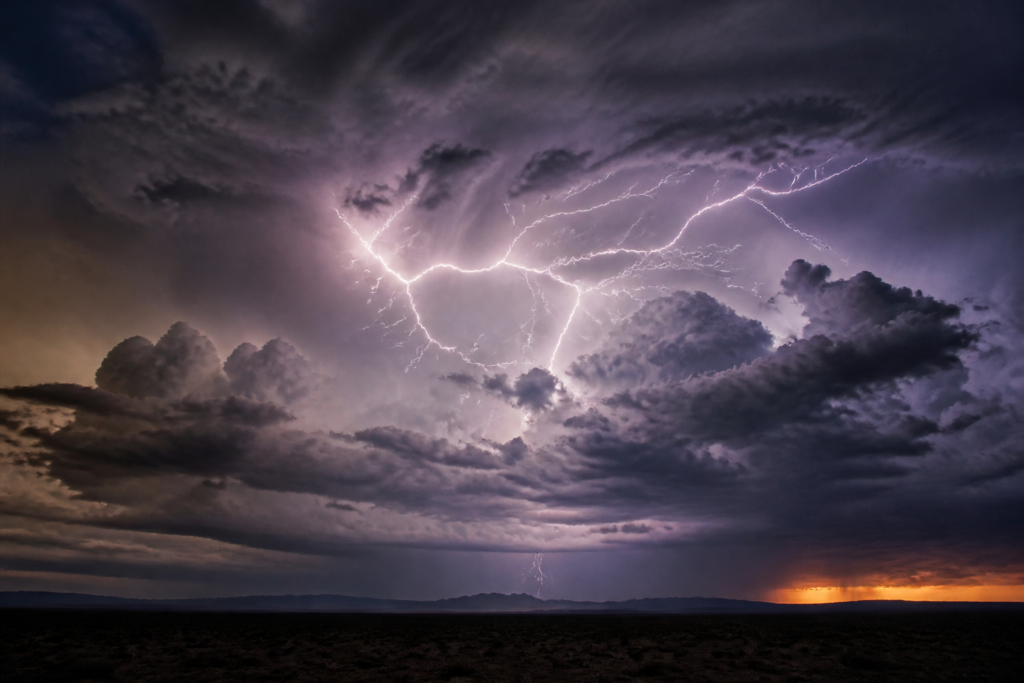
Why do buildings have lightning rods? Buildings use lightning rods to give lightning current a safer, controlled path into the ground. The rod does not stop lightning or pull it toward the building. It is one part of a lightning-protection system designed to reduce the chance that a strike will travel through vulnerable building materials, wiring, plumbing, or equipment.
Table of Contents
When lightning hits a protected structure, metal conductors carry the current from the roof toward grounding electrodes in the earth. That route helps keep the enormous electrical surge away from places where it could start a fire or cause serious damage.
Why Do Buildings Have Lightning Rods?
Lightning is a huge electrical discharge. If it strikes a building, the current needs somewhere to go. Without a designed path, that electricity may move through roofing, framing, metal pipes, electrical wiring, or other conductive parts of the structure.
A lightning-protection system is intended to intercept the strike and guide the current to ground. The familiar pointed metal rod on a roof is often called an air terminal. It connects to heavy conductors that run down the building and into grounding components below.
The basic idea is simple: give the current a route that is better suited to carry it than the rest of the building. That is the core reason why do buildings have lightning rods is such a useful question: the answer is controlled current flow.
How Lightning Rods Work
When people ask why do buildings have lightning rods, the key is what happens after a strike begins. The rod provides a preferred attachment point on the protected structure. If lightning connects there, the current travels through metal conductors toward the ground. Grounding electrodes then help disperse the electrical energy into the earth.
A complete system can include more than the rods you see on the roof. Bonding connects conductive parts of the building so large voltage differences are less likely to develop. Surge-protection devices can also help protect electrical and communication systems from damaging spikes.
This is why a lightning rod by itself is not the whole story. The rod, conductors, bonds, grounding system, and surge protection work together.
Do Lightning Rods Attract Lightning?
A common follow-up to why do buildings have lightning rods is whether the rods attract lightning. No. Lightning rods do not pull storms toward a building or cause lightning strikes. Whether lightning develops and where it strikes depends on the electrical conditions in the storm and the surrounding area.
The purpose of the rod is to provide a controlled attachment point if lightning is going to hit the structure. The National Weather Service explains that properly installed lightning rods are designed to carry the electrical current safely to the ground.
If you are curious about the timing of a storm itself, SmallQuestions also explains what comes first: thunder or lightning.
What Happens During a Strike?
When lightning attaches to the protection system, a very large current moves through the metal conductors and into the grounding network. A properly designed system is built to handle this brief, intense surge better than ordinary building materials.
The strike can still create electrical surges elsewhere in a structure, which is one reason modern systems may include surge protection. The goal is risk reduction, not a guarantee that nothing at all can be damaged.
Lightning protection is especially important because heat and sparks from uncontrolled current can ignite combustible materials. Electrical equipment can also be damaged by sudden voltage changes.
Why Doesn’t Every Building Have One?
Not every building has the same lightning risk. Factors can include the structure’s height, location, construction, contents, nearby terrain, local lightning frequency, and the consequences of a strike.
Tall structures are easy to notice, but height is not the only consideration. Historic buildings, facilities with sensitive electronics, and structures in lightning-prone areas may also benefit from dedicated protection.
Some systems are also less visible than people expect. Conductors can be integrated into a building, and rooftop components may be small enough that they are hard to spot from the ground.
Buildings use many systems that quietly manage physical forces. For example, ceiling fans move air by using angled blades, while lightning protection manages electrical current instead of airflow.
Who Invented the Lightning Rod?
Benjamin Franklin is widely credited with developing and promoting the lightning rod in the 18th century after experiments helped establish that lightning was electrical in nature.
Modern systems have evolved far beyond a single metal rod. Standards now address the placement of air terminals, conductor paths, grounding, bonding, and surge protection as parts of an engineered system.
Frequently Asked Questions
Do lightning rods prevent lightning strikes?
No. They do not stop lightning from forming or guarantee that a structure will never be struck. They are designed to help control the current if a protected structure is hit.
Where does the electricity go?
Conductors carry the current down the structure to grounding electrodes, where the electrical energy is dispersed into the earth.
Are lightning rods only for skyscrapers?
No. Height matters, but location, construction, building use, and the consequences of a strike also affect lightning-protection decisions.
Can a lightning rod protect electronics?
The rod and grounding path help manage the strike current, but electronics can still be affected by surges. Surge-protection devices are commonly used as another layer of protection.
The Short Answer
Why do buildings have lightning rods? They provide a controlled path for lightning current to travel from the top of a structure into the ground. That helps reduce the chance that the current will move through vulnerable parts of the building and cause fire, electrical damage, or other harm.
Another place where the environment shapes structures and people is water depth and geography; for example, see how deep Lake Michigan is.