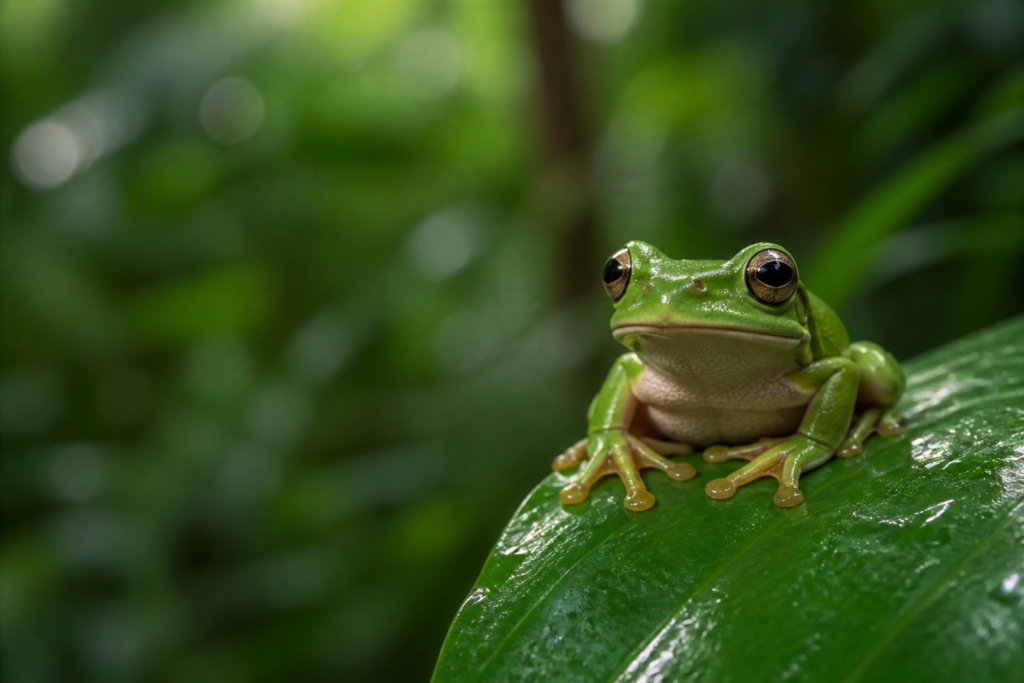
Why do frogs need water? Frogs need water because their skin must stay moist, they reproduce in or near water, and many young frogs develop there. Water also provides food, shelter, and a place to escape heat. Different species need different amounts of water, but all frogs depend on suitable moisture.
Why do frogs need water for their skin?
A frog’s skin is thin and permeable. Moist skin helps a frog exchange gases and absorb some water, but it also means the animal can lose water quickly. Frogs often rest in shade, damp soil, leaf litter, or shallow water to avoid drying out. A dry environment can make it difficult for a frog to breathe and regulate its body.
Why do frogs need water to reproduce?
Many frogs lay eggs in ponds, streams, temporary pools, or wet vegetation. Tadpoles hatch and grow in water, where they use gills before developing lungs. During metamorphosis they grow legs, absorb the tail, and become young frogs. Some species foam nests or carry eggs, but even these unusual frogs need moist conditions for successful reproduction.
How does water help frogs find food?
Wetlands support insects, worms, and other small animals that frogs eat. Water plants and fallen leaves also create hiding places from predators. A frog may sit near water and wait for prey to pass. Clean water supports the entire food web that supplies adult frogs and tadpoles.
What happens when water disappears?
Drought, polluted runoff, drainage, and habitat loss can remove the water frogs need. Tadpoles may die if a breeding pool dries too early. Adult frogs may become dehydrated or move into unsafe areas. Protecting ponds, wetlands, and shaded vegetation helps frogs survive. For related explanations, read what a frog is and how frogs grow.
Can frogs live away from ponds?
Some adult frogs spend much of their time on land, but they still need moisture and usually return to water or damp habitat to breed. Tree frogs may use rain-filled leaves, while desert species may wait for seasonal storms. The answer depends on the species and local climate.
Water also helps frogs regulate body temperature and avoid dangerous heat. Shade, damp leaves, and healthy stream banks can be as important as open water. During dry seasons, frogs may shelter underground or become less active until rain returns. These adaptations explain why protecting a small wetland can make a large difference to local wildlife.
Clean water is especially important because frogs absorb moisture through their skin. Even a shallow, temporary pool can support breeding when it remains clean long enough for tadpoles to develop. Safe, connected habitat gives frogs places to move, feed, and hide.
Knowing why do frogs need water helps explain why wetlands matter. When asking why do frogs need water, remember that skin, breeding, and food all depend on moisture. This simple question connects a frog’s body to its habitat.
Keep wondering
Where do frogs live, what do frogs eat, and how do frogs protect themselves?
Short answer
Water is important to most frogs because their skin needs to stay moist, and many frogs begin life as eggs and tadpoles in water. Many frogs return to water or wet places to breed.
More than a swimming pool
Ponds, marshes, streams, and damp places can give frogs food, shelter, and places for young frogs to grow. Moist skin also helps amphibians exchange gases with the world around them.
Not every frog does it the same way
Frog species are wonderfully varied. Some adults spend much of their time away from water, while many still need wet places at a particular part of their life cycle. That is why protecting wetlands and other moist habitats matters.