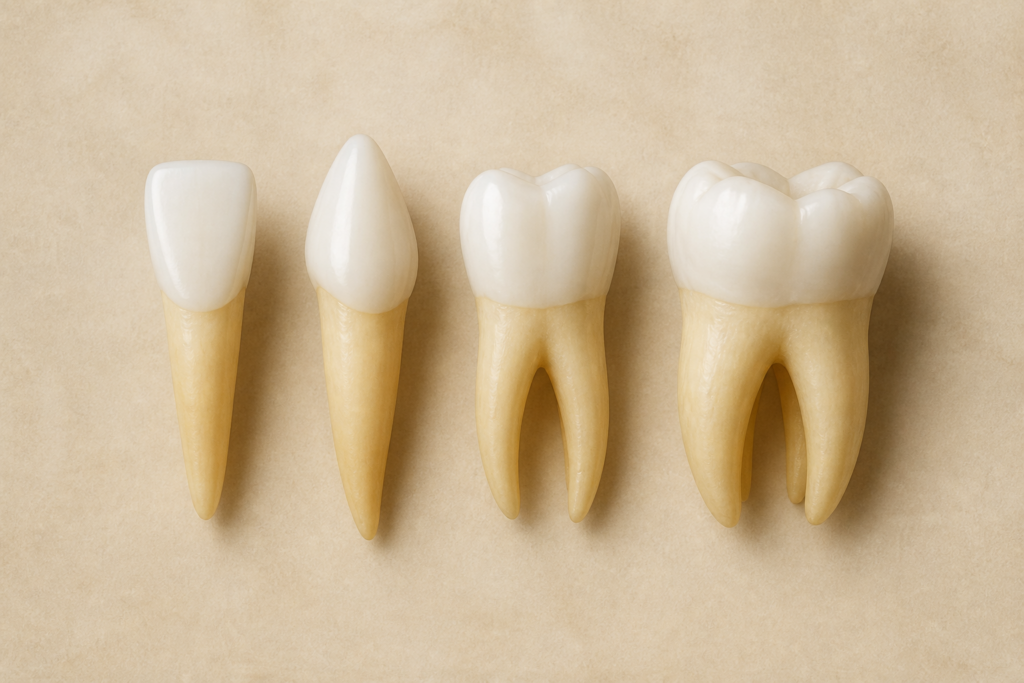
Why should we brush our teeth? We brush to remove plaque and food, protect enamel and gums, and keep the mouth comfortable and healthy.
Table of contents
How often should you brush your teeth?
How often should you brush your teeth? Dental organizations generally recommend brushing twice a day for about two minutes each time: once in the morning and once before bed. Use a soft-bristled toothbrush and fluoride toothpaste unless a dental professional gives you different advice.
Why should we brush our teeth?
Knowing why should we brush our teeth matters: brushing removes plaque, a sticky film of bacteria that builds up on teeth. Bacteria in plaque use sugars from food and drinks and can produce acids that weaken tooth enamel. Regular brushing helps lower the chance of cavities, gum inflammation, and bad breath. It also cleans along the gumline, where plaque can collect easily.
Understanding why should we brush our teeth also means knowing that brushing does not replace every part of oral care. Cleaning between teeth with floss or another recommended tool helps remove plaque where a toothbrush cannot reach. Drinking water and choosing less sugary snacks can also support a healthy mouth.
How should you brush your teeth?
- Use a soft brush and a pea-sized amount of fluoride toothpaste for children old enough to spit.
- Hold the brush at a gentle angle toward the gumline.
- Move it in small circles or short strokes over the outside, inside, and chewing surfaces.
- Brush the tongue gently if it feels comfortable.
- Spend about two minutes total instead of rushing one area.
- Spit out the toothpaste. Follow your dental professional’s advice about rinsing.
Knowing why should we brush our teeth is not a reason to scrub hard. Heavy pressure can irritate gums and wear tooth surfaces. Replace a toothbrush or electric brush head about every three to four months, or sooner if the bristles become bent or worn.
What are good brushing tips for kids?
Young children often need an adult to guide or finish brushing because hand control develops over time. Make two minutes easier with a song, timer, or gentle routine. Keep toothpaste stored safely, supervise children so they do not swallow large amounts, and ask a dentist how much fluoride toothpaste is right for your child’s age.
How often should you brush your teeth if you miss a session? Resume your normal twice-daily routine rather than brushing aggressively or using extra toothpaste. Consistency over time matters more than trying to make up for one missed brushing.
When should you ask a dentist?
Make regular dental visits according to your dentist’s advice. Ask for help if you have persistent tooth pain, bleeding or swollen gums, sensitivity, a loose tooth, or a sore that does not heal. A dental professional can recommend products and techniques for braces, dry mouth, gum disease, or other needs.
For related explanations, read What are teeth for? and explore the People category.
A simple routine is easier to keep when brushing is tied to daily habits, such as getting ready in the morning and winding down at night. If you eat breakfast immediately after waking, brush at a consistent time that works for you; after acidic foods or drinks, ask a dentist whether waiting briefly before brushing is best. Manual and electric toothbrushes can both clean well when used carefully. Replace the brush when bristles fray, and keep it upright so it can air-dry between uses. The goal is steady plaque removal, not forceful scrubbing.
Related questions
- How long should you brush your teeth?
- Is it better to brush before or after breakfast?
- How often should children brush their teeth?
- Should you floss before or after brushing?
- What happens if you do not brush your teeth?