Table of contents
Why do cats purr? Cats purr for several reasons, and happiness is only one of them. A purr can help a cat communicate, settle itself when stressed, bond with another animal or person, and respond to pain or illness. The meaning depends on the cat’s body language and the situation around it.
1. Cats purr when they feel safe
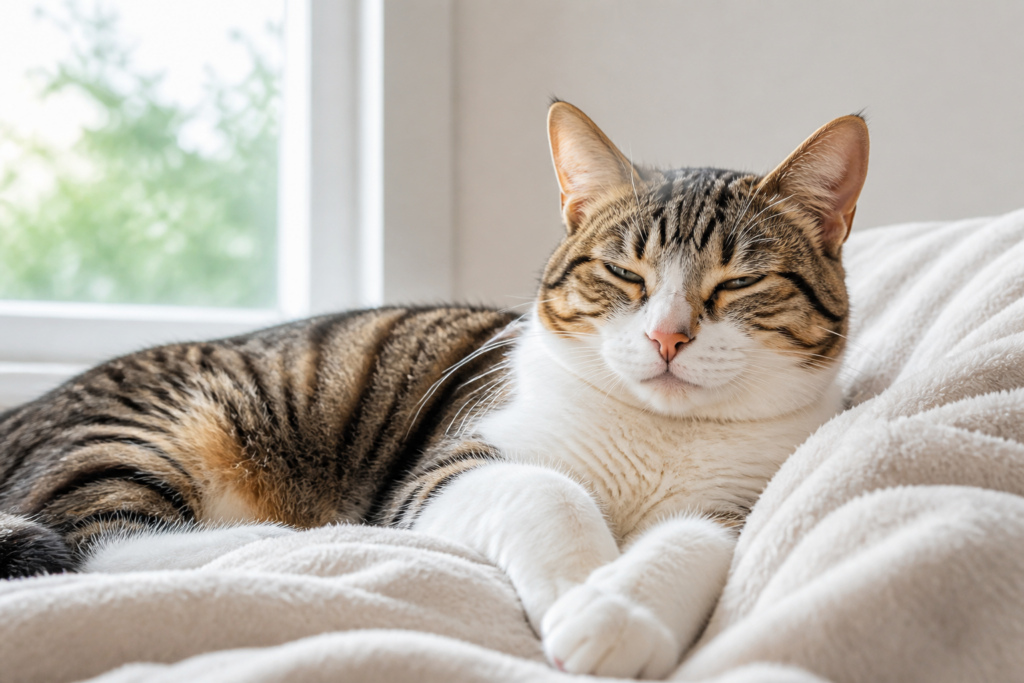
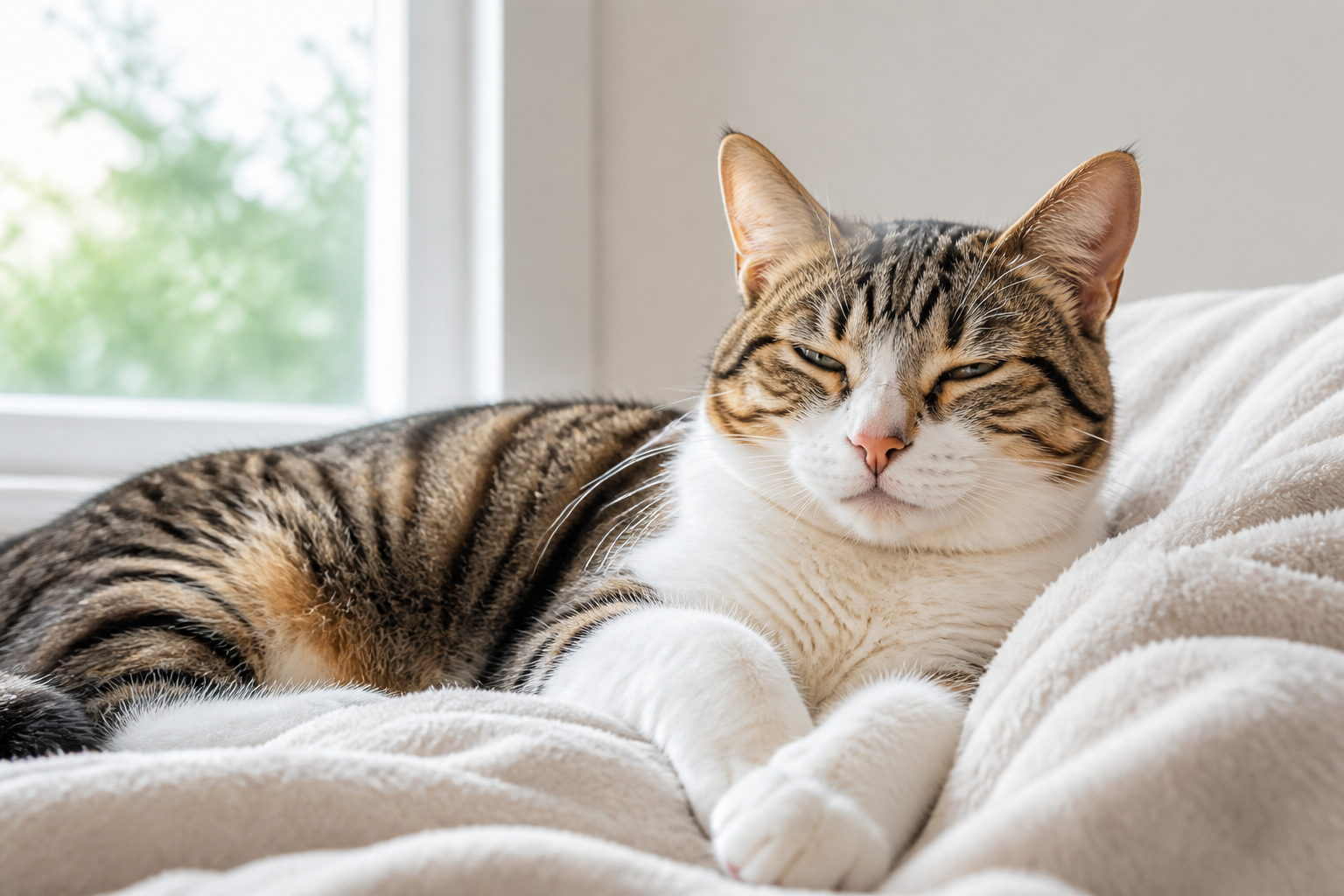
A relaxed cat may purr while resting on a lap, kneading a blanket, or settling into a favorite bed. In these moments, the soft vibration usually goes with loose muscles, half-closed eyes, and a calm tail. This is the familiar happy purr that many people notice first.
2. Kittens and mothers use purring to communicate
Kittens can purr when they are only a few days old. The vibration helps them stay in contact with their mother while nursing. Mother cats may purr back, giving their kittens a quiet signal that she is nearby. Adult cats can also purr to ask for attention, food, or company.
3. Purring can signal stress or fear
Not every purring cat is content. Some cats purr in unfamiliar places, during a visit to the veterinarian, or when they are frightened. The vibration may help them calm themselves, much like a repetitive human habit can reduce tension. Look for other clues such as flattened ears, crouching, hiding, or a rapidly flicking tail.
4. Cats may purr when they hurt
A cat in pain may purr as a self-soothing behavior. Purring does not prove that a cat is sick, but a sudden change in purring combined with poor appetite, hiding, limping, vomiting, breathing trouble, or unusual tiredness deserves attention. Contact a veterinarian if your cat seems unwell rather than assuming the purr means everything is fine.
5. How the purr is made
A cat’s brain sends repeating signals to muscles in the voice box, or larynx. As the cat breathes in and out, those muscles open and close the space around the vocal cords. Air moving through the larynx creates the steady, low-frequency sound we call a purr. Cats can usually purr during both inhalation and exhalation.
Can purring heal a cat?
Researchers have studied whether the vibration range of a purr might support comfort or recovery, but the evidence does not mean purring heals injuries or replaces veterinary care. It is safest to describe possible soothing effects as an area of study, not a proven treatment.
Why does my cat purr when I pet it?
Gentle petting can remind a cat of social contact and grooming. If your cat approaches you, keeps a relaxed posture, and chooses to stay, the purr probably reflects comfort or bonding. Stop if the cat pulls away, stiffens, swishes its tail sharply, or shows other signs of overstimulation.
Context matters when you interpret a purr. A cat that is stretched out and blinking slowly is communicating differently from a cat that is crouched, hiding, or breathing hard. Watch the whole animal rather than using one sound as a diagnosis. Give a nervous cat space, keep routines predictable, and provide a quiet place to rest. If a purr changes suddenly or comes with signs of illness, a veterinary professional can help identify the cause. Purring is a useful clue, not a complete translation of a cat’s feelings.
Cats are individuals, so one cat may purr more often than another. Age, personality, health, and past experiences can all influence how a purr sounds and when it appears. The safest interpretation combines the purr with posture, facial expression, appetite, and normal behavior.
Explore more animal questions in our Animals collection.
Related questions
- Why do cats purr loudly?
- Why do cats purr when they sleep?
- Why do cats purr and knead?
Sources
- NC State University College of Veterinary Medicine: Why Do Cats Purr?
- American Animal Hospital Association: The Secret Feline Language
When and why cats are most likely to purr
Cats often purr in comfortable situations, such as when resting near a familiar person, nursing kittens, or being gently stroked. But purring is not limited to happiness. Cats may also purr when they are stressed, injured, frightened, or trying to settle themselves. That wider range of situations is why behavior experts look at the cat’s whole body language instead of treating every purr as a simple sign of pleasure.
Context matters. Relaxed posture, slow blinking, kneading, and choosing to remain nearby can support the idea that a cat is comfortable. Flattened ears, hiding, tense muscles, poor appetite, or other unusual behavior may point to stress or illness even if the cat is purring. The sound itself is only one clue.
SmallQuestions has more animal explanations in our Animals section. If you like questions about animal behavior, you might also enjoy whether spiders sleep, another example of how familiar words like “sleep” and “rest” can mean different things across species.
Scientists continue to study exactly how cats produce and use purring. The safest conclusion is that purring is a flexible communication and self-regulation behavior, not a one-word translation for “happy.”