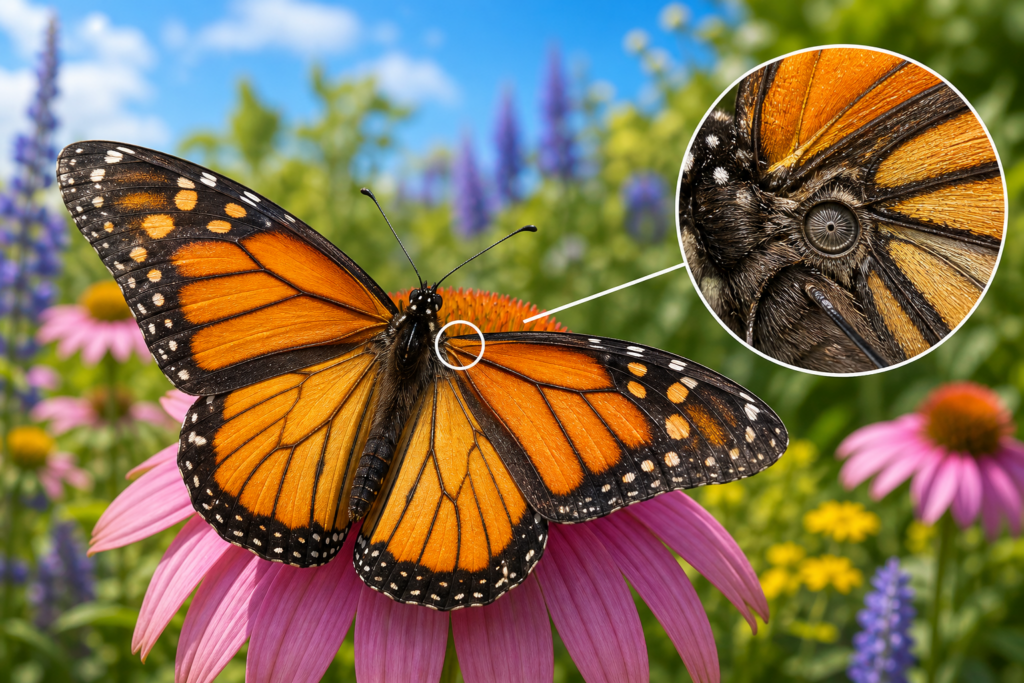
Why are butterflies important? Butterflies are important because they help pollinate plants, provide food for other animals, and show us when habitats are healthy. Their life cycle also connects flowers, leaves, soil, and many parts of a food web.
Why are butterflies important for plants?
When butterflies visit flowers for nectar, pollen can stick to their bodies and move to another flower. This transfer is called pollination. Pollination helps many plants make seeds, fruits, and new flowers. Butterflies are not as efficient as some bees, but they visit many flowers and can carry pollen between plants that are spread across a garden or meadow.
How do butterflies support the food web?
Butterflies and caterpillars are food for birds, spiders, frogs, lizards, small mammals, and other insects. Caterpillars are especially valuable because they are soft, plentiful, and rich in nutrients for growing nestlings. If butterflies disappear, animals that rely on them may have fewer food choices. Protecting butterflies therefore helps many other species at the same time.
Why do caterpillars matter?
A caterpillar may seem like a leaf-eating pest, but it is an important part of a healthy habitat. Caterpillars turn plant material into food that predators can use. Their feeding also encourages plants to grow new leaves. After the caterpillar forms a chrysalis and becomes an adult, it joins the pollination network and helps continue the cycle.
What can butterflies tell us about nature?
Butterflies respond quickly to changes in temperature, rainfall, plants, and pesticides. Scientists and volunteers can track butterfly numbers to learn how habitats are changing. A wide variety of butterflies often suggests that an area has suitable plants, shelter, and seasonal resources. A sudden decline can be a warning that food plants or safe spaces are being lost.
Are butterflies important to people?
Yes. Butterflies help gardens and wild plants, support wildlife, and give people an easy way to notice seasonal change. Watching them can inspire outdoor learning and careful observation. Their beauty is not their only value; the ecological work they do happens even when people are not looking.
How can people help butterflies?
Grow native nectar flowers and host plants for caterpillars. Choose plants that bloom at different times so food is available across the season. Avoid unnecessary insecticides, leave a few fallen leaves and stems for shelter, and keep shallow damp areas where butterflies can drink minerals. Even a balcony container can provide useful nectar if it is planted carefully.
For related explanations, read what a butterfly is, what butterflies eat, and how butterflies grow.
Why do butterfly-friendly gardens need host plants?
Nectar flowers feed adult butterflies, but caterpillars need the right leaves to grow. Including native host plants supports the whole life cycle instead of only the adult stage. That makes a garden useful for eggs, caterpillars, chrysalises, and butterflies across more of the season.
Keep wondering
Flower-finding is only one part of butterfly behavior. Their senses also help them respond to danger, locate mates, and, in some species, navigate long seasonal migrations.
Why are butterflies important in a changing climate?
Butterflies depend on timing. Flowers must bloom when adults need nectar, and host plants must be available when females lay eggs. Heat, drought, storms, and habitat loss can interrupt that timing. Protecting connected patches of native plants gives butterflies places to feed, rest, and reproduce. It also helps other pollinators and keeps soil and plant communities more resilient. Small actions add up when gardens, parks, and roadside spaces provide a chain of safe habitat.
In short, why are butterflies important is not only a question about pretty insects. Butterflies connect plants and animals, carry information about environmental change, and make living spaces richer.
Butterfly-friendly spaces also create opportunities for people to observe nature closely and learn how seasonal changes affect living things.