Table of contents
Short answer
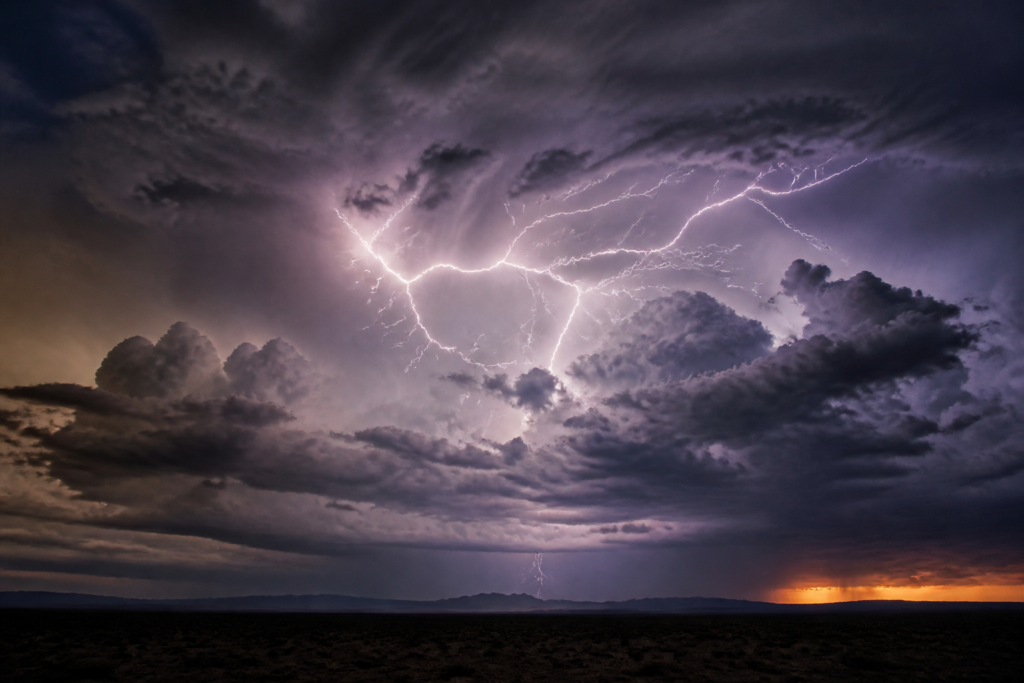
What causes thunder? Lightning heats the air around it extremely quickly. The air expands in a sudden shock wave, and that moving pressure wave is the sound we hear as thunder.
What causes thunder is the rapid expansion of air around a lightning channel.
How thunder forms
A lightning channel can heat nearby air to temperatures hotter than the surface of the Sun. The surrounding air expands explosively, then pushes against cooler air. This creates a pressure wave that travels outward in all directions. When the wave reaches your ears, you hear thunder.
Why lightning comes first
Light travels much faster than sound, so a flash reaches you almost instantly while thunder takes longer. Counting the seconds between the flash and the sound can give a rough idea of how far away the lightning is, although it should never replace a weather warning.
Why thunder rumbles
A lightning bolt is long and may zigzag through the sky. Sound from different parts of the channel reaches you at slightly different times. Mountains, buildings, clouds, and temperature layers can also reflect or bend the sound. Those overlapping arrivals make thunder seem to rumble rather than sound like one sharp crack.
Is thunder dangerous?
Thunder itself does not hurt people at a distance, but it proves that lightning is nearby. If you can hear thunder, move indoors or into a hard-topped vehicle. Avoid open fields, isolated trees, water, and metal objects until the storm has passed.
For a related explanation, read What causes lightning? on SmallQuestions.
How scientists explain thunder
Thunder is an example of acoustics and atmospheric physics working together. The lightning channel is not a single point source. It may travel for miles through branching paths, and each section heats the air at a slightly different time. The sound arriving at a listener depends on distance, direction, wind, temperature, terrain, and nearby buildings.
A close lightning strike can create a sharp crack because the pressure wave arrives over a short interval. A distant strike often sounds like a long rumble because waves from the full channel arrive at different times. Echoes from hills, walls, and cloud layers can stretch the sound even farther.
How far away is lightning?
Light reaches you so quickly that the flash appears almost immediate. Sound travels through air at roughly one-fifth of a mile per second, although temperature changes its speed. Counting seconds between the flash and thunder gives only a rough estimate. If the interval is short, the storm is close enough to require immediate shelter.
What causes thunder is easy to remember: lightning rapidly heats air, and the expanding air creates sound.
Thunderstorm safety
When thunder is audible, go inside a substantial building or enclosed vehicle. Stay away from windows, plumbing, electrical equipment, porches, and concrete surfaces that may conduct electricity. Wait at least 30 minutes after the last thunder before returning outdoors. No outdoor location is completely safe during a thunderstorm.
Understanding what causes thunder helps explain why lightning and thunder are linked, but hearing thunder is also a practical warning. The sound means a lightning-producing storm is near enough to affect you.
Weather services use radar, satellite observations, lightning networks, and trained observers to understand storm structure. These tools help identify where lightning is occurring, but simple safety rules remain important because conditions can change quickly. A storm that looks distant may move toward you, and lightning can strike outside the darkest rain core.
Thunder therefore has two meanings: it is the sound produced by rapidly expanding air, and it is a natural alert that dangerous lightning is nearby.
Sources
- National Weather Service: Understanding Lightning and Thunder
- NOAA: What Causes Lightning and Thunder?
- UCAR: Thunder and Lightning
Today.
Why thunder can sound so different
Thunder begins with the same basic event: lightning heats the surrounding air extremely quickly, causing the air to expand and produce a shock wave. What you hear depends on how far away different parts of the lightning channel are, the shape of the bolt, the landscape around you, and the way sound travels through layers of air.
A nearby strike may produce a sharp crack because the sound from a short section of the channel reaches you almost at once. A more distant strike often produces a long rumble because sound from different parts of the lightning path arrives at slightly different times. Hills, buildings, clouds, temperature layers, and wind can also reflect or bend sound and change the character of the thunder.
Thunder and lightning are two parts of the same storm process. Our guide to what causes lightning explains how electrical charge builds inside storms. You can also read why we see lightning before we hear thunder, which comes down to the enormous difference between the speed of light and the speed of sound.
One practical point matters most: if you can hear thunder, a storm is close enough to be a lightning hazard. Move to a substantial building or enclosed vehicle rather than using the sound of thunder to judge whether a storm is safe.