Why do people back into parking spaces? The biggest reason is visibility. Backing into an empty space can make it easier to drive forward when you leave, so you can see pedestrians, shopping carts, bicycles, and moving cars more clearly. Some drivers also do it because it makes a later exit faster, works well with larger vehicles, or is required at certain workplaces.
Table of Contents
Why Do People Back Into Parking Spaces? The Short Answer
Why do people back into parking spaces? Usually because they would rather do the reversing while entering a controlled parking space than while leaving into an active parking aisle. When they depart, the car is already facing forward, which can improve visibility and make it easier to see what is coming.
That does not mean backing in is automatically best in every parking lot. Angled spaces, one-way aisles, tight traffic, local rules, and the driver’s skill all matter.
1. Better Visibility When Leaving
The most practical reason people back into parking spaces is that they can drive forward when they leave. That puts the driver at the front of the vehicle, where it is usually easier to see across neighboring cars and into the traffic aisle.
The United Kingdom’s Health and Safety Executive specifically says reverse parking can improve visibility for departing vehicles. It also notes that parking layouts can be designed to encourage reverse parking for that reason.
This matters because parking lots mix vehicles and pedestrians in a small area. NHTSA lists a backing vehicle in a driveway, private road, or parking lot as a common type of pedestrian crash. Pulling forward out of a space does not eliminate risk, but it can give a driver a clearer view before entering the aisle.
2. Less Reversing Into Moving Traffic
Another reason people back into parking spaces is to avoid reversing into the flow of parking-lot traffic later. The HSE says reverse parking can reduce the number of vehicles that have to reverse out into traffic.
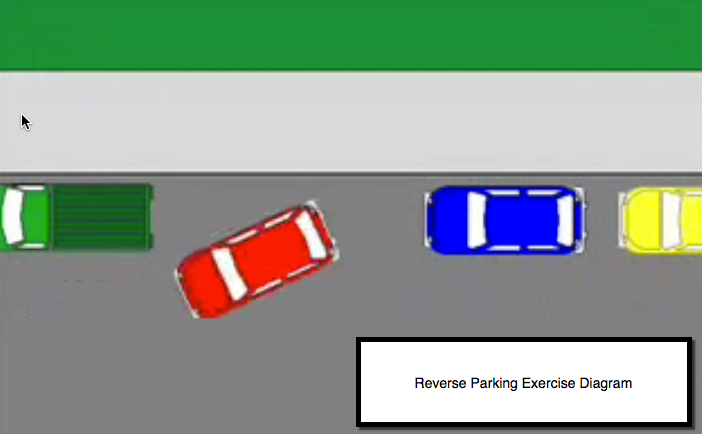
When a driver arrives at a parking space, they can slow down, signal, check the area, and reverse into the empty bay. When they leave, they can pull forward into the aisle.
Drivers still have to watch carefully in both directions. Reverse parking changes when the reversing happens; it does not remove the need for mirrors, cameras, shoulder checks, and slow movement.
3. You Back Into a Space You Can Inspect First
Another reason why do people back into parking spaces is that the parking space is visible before they enter it. They can drive slightly past the space, look for people or obstacles, and then reverse into a relatively fixed area.
By contrast, when a vehicle is parked nose-in, the traffic aisle may change while the driver is away. Cars, children, carts, bicycles, and pedestrians can appear behind the vehicle before it is time to leave.
NHTSA’s pedestrian-safety guidance tells drivers and pedestrians to be especially cautious around vehicles backing in parking lots. The logic behind backing into a space is to do that maneuver when the driver has just inspected the area, rather than backing out later into a busier aisle.
4. Large Vehicles Can Be Easier to Position
For larger vehicles, one answer to why do people back into parking spaces is easier positioning of a pickup truck, SUV, van, or long-wheelbase vehicle. The vehicle’s front end swings while steering, and reversing can let the driver use mirrors and a backup camera to line the vehicle up with the parking-space markings.
This is partly preference and partly vehicle geometry. A person who drives the same truck or van every day may become very comfortable backing it into a marked space.
Modern backup cameras also make reverse parking less intimidating than it once was. Cameras are an aid, though, not a replacement for checking mirrors and looking around the vehicle.
5. Leaving Can Be Quicker
Convenience is another answer to why do people back into parking spaces: some drivers want an easier departure. Once they return to the vehicle, they can start the car and drive forward instead of setting up a reversing maneuver.
That can be convenient in busy parking lots, at events, at work, or anywhere many vehicles may leave at the same time.
Emergency-service workers, construction crews, and other drivers who value a quick forward exit may be especially likely to park this way. For ordinary drivers, it is usually about convenience rather than urgency.
6. Some Workplaces Encourage Reverse Parking
Workplace rules are another reason why do people back into parking spaces. Reverse parking is common at some industrial sites, construction areas, fleets, and company parking lots because safety programs try to reduce reversing into traffic and improve visibility when vehicles depart.
The HSE advises workplaces that cannot use drive-through parking to consider arrangements that encourage reverse parking. It specifically connects the practice with reducing reversing into traffic and improving the driver’s view when leaving.
So if you notice that almost every vehicle at a worksite is backed in, it may not be a coincidence. It can be part of the site’s parking procedure.
7. For Some Drivers, It Is Simply a Habit
Habit is also part of why do people back into parking spaces. Not every driver is making a fresh safety calculation each time. Some people learned to reverse park during driver training, from a parent, in the military, at work, or because they routinely drive a large vehicle.
In Great Britain, reverse bay parking is one of the standard maneuvers that can be used in driving tests. Examiners expect drivers to make all-around observations and carry out the maneuver safely.
Once someone becomes comfortable with it, backing into a parking space can feel just as normal as pulling in forward.
Is Backing Into a Parking Space Always Safer?
No. The safest choice depends on the parking lot and the situation.
Reverse parking can offer a visibility advantage when leaving, but drivers should not back the wrong way into angled parking, block traffic unnecessarily, ignore one-way arrows, or attempt the maneuver when they cannot do it safely.
It is also possible to create a hazard while backing into a space if the driver fails to check for pedestrians or other vehicles. NHTSA warns that backing crashes can occur because drivers do not see people behind a vehicle.
The best rule is simple: use the parking method that fits the layout, follow posted signs and arrows, move slowly, and make sure the area around the vehicle is clear.
Why Do Some People Dislike Back-In Parking?
Drivers who prefer pulling in forward sometimes dislike waiting while another vehicle passes a space and reverses into it. Reverse parking can also take longer when a driver is inexperienced or when the aisle is narrow.
Some stores prefer nose-in parking because loading a trunk is easier when the rear of the vehicle faces the aisle. In other places, signs may specifically prohibit backing into spaces because parking permits or license plates need to remain visible.
So there is no universal parking rule that one method is always correct.
Frequently Asked Questions
Why do people back into parking spaces instead of pulling in?
Most do it for a clearer forward view when leaving, to reduce backing into an active parking aisle, or because they find it easier to position their vehicle that way.
Is backing into a parking spot legal?
Usually, but parking-lot rules and local regulations can vary. Posted signs, one-way arrows, and rules about visible license plates or permits should be followed.
Is reverse parking part of a driving test?
It is in some places. For example, official British driving-test guidance includes reverse parking into a parking bay as a standard maneuver.
Does a backup camera make reverse parking safer?
A backup camera can improve the driver’s view behind the vehicle, but it does not show every possible hazard. Drivers still need mirrors, direct observation, and slow movement.
Why do trucks back into parking spaces so often?
Drivers of pickups and larger vehicles may find it easier to line up the vehicle while reversing and may prefer the better forward visibility when leaving.