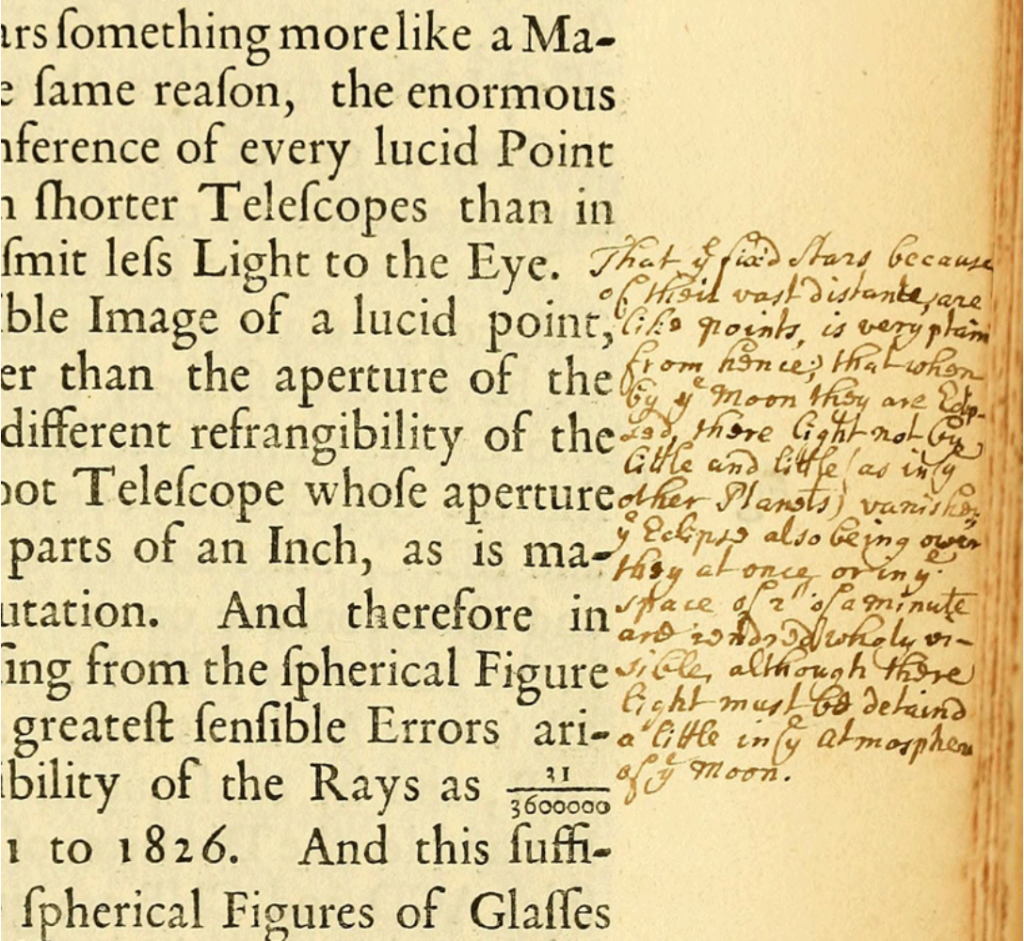
Why do people annotate books? Usually because writing notes, underlining ideas, and marking important passages turns reading into a more active process. People annotate to remember what they read, ask questions, connect ideas, prepare for school or work, and make it easier to find useful passages later.
Table of Contents
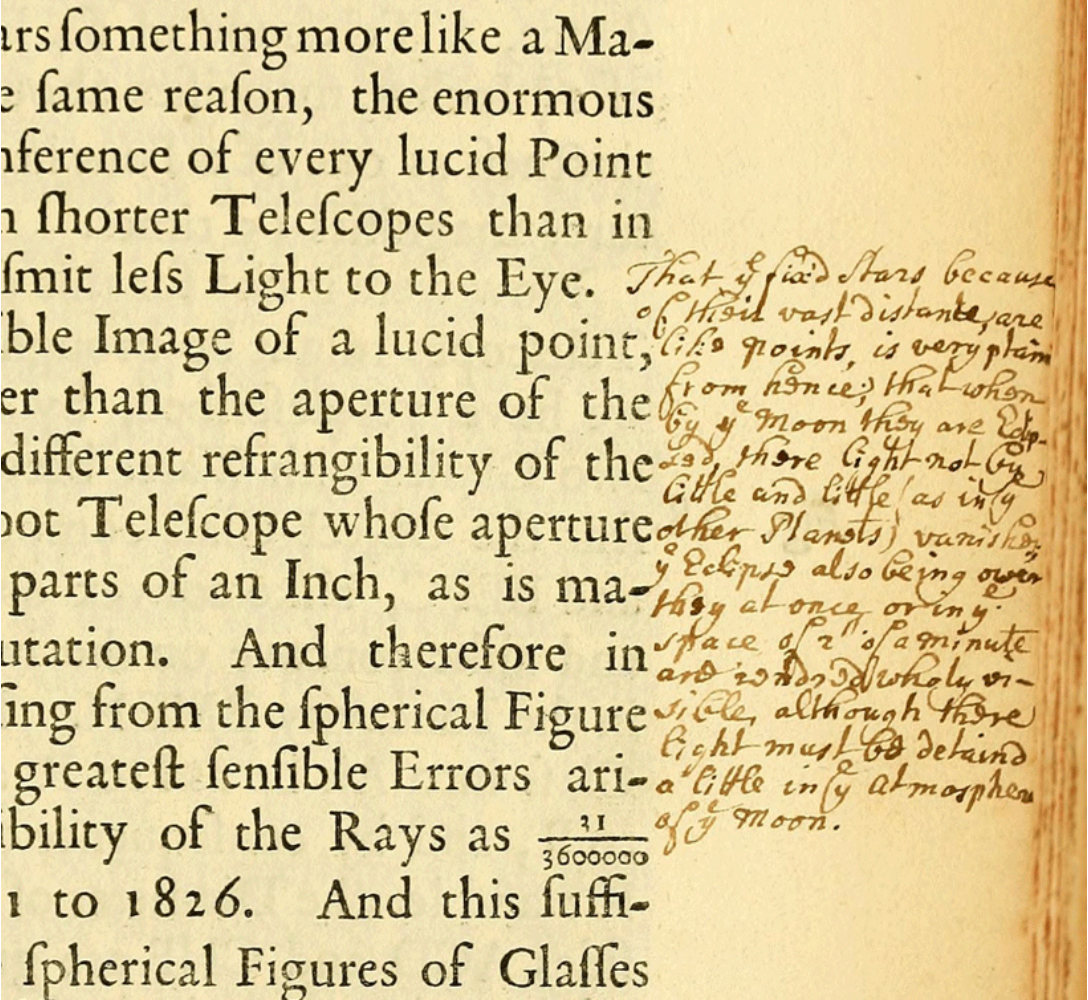
Why Do People Annotate Books? The Short Answer
Why do people annotate books? Because marking a text can make reading more active. A reader may underline a key idea, write a question in the margin, summarize a paragraph, mark an unfamiliar word, or note a connection to something else they have read.
Harvard’s Academic Resource Center recommends marking text and writing marginal notes because it can help readers stay focused and find important information later. Cornell also describes annotation as a form of active learning that encourages close, thoughtful reading.
1. Annotation Keeps Readers Focused
One answer to why do people annotate books is simple: it gives the brain something to do while reading. Instead of only moving from sentence to sentence, the reader has to decide what matters and why.
Harvard’s reading guidance says that marking text can help with comprehension by keeping readers focused. Even a short note such as “main idea,” “important,” or a question mark can force a reader to stop and think about what a passage means.
This is why annotation is often described as active reading rather than passive reading.
2. It Helps People Remember Ideas
Memory is another answer to why do people annotate books: many readers want to remember a book after they close it. Underlining a key sentence or writing a short summary in the margin creates a memory cue.
Harvard recommends summarizing important material in your own words and reviewing it later. Cornell similarly encourages active use of highlighting and annotation tools rather than simply skimming digital material.
The annotation itself does not magically create memory. The useful part is the thinking involved in choosing what to mark and putting the idea into your own words.
3. Readers Can Record Questions
Questions are another part of why do people annotate books: readers do not want to lose ideas that occur while reading. A reader might write “Why?” beside a claim, circle a confusing term, or note something they want to research later.
Harvard specifically suggests using marginal notes for questions, contradictions, themes, and ideas that deserve more research.
For students, this can make class discussions and essay writing easier because the questions are already attached to the exact passages that inspired them.
4. It Helps Connect Ideas
Another reason people annotate books is to connect one idea with another. A reader may write the name of another book, a class topic, a personal experience, or an earlier page number in the margin.
Those little connections can turn a book into a map of the reader’s thinking. Harvard’s reading guidance encourages readers to notice themes that connect with class discussions, other readings, and personal experiences.
Over time, annotated books can show not only what the author wrote, but also how the reader understood it at a particular moment.
5. Important Passages Are Easier to Find Later
Reviewing later is another reason why do people annotate books. Annotation is also practical. If someone needs to write a paper, prepare for a test, discuss a book, or return to an important argument months later, markings make useful passages easier to find.
A star beside an important paragraph or a short margin label can save time compared with searching through the entire book again.
This is especially helpful with nonfiction, textbooks, long novels, and books that someone expects to reread.
6. Some People Like Recording Their Reactions
Personal reaction is another reason why do people annotate books. Not all annotations are academic. Some readers write emotional reactions such as “wow,” “funny,” “I disagree,” or “this is beautiful.” Others draw symbols, use colored tabs, or mark favorite quotes.
That can make a physical book feel personal. When the reader opens it years later, the notes can show what interested or surprised them the first time.
For some people, this personal record is one of the main reasons they prefer owning a book instead of borrowing one.
7. Annotation Can Turn Reading Into a Conversation
Conversation is another answer to why do people annotate books. Annotation can feel like a conversation between the reader and the author. A reader can agree, disagree, ask for evidence, challenge an assumption, or connect a new idea to something already known.
Cornell describes social annotation as reading and thinking together. In classes, multiple students can annotate the same digital text and respond to one another’s comments. Cornell says this kind of shared annotation can support deeper understanding, argumentation, inquiry, and literacy skills.
Even when nobody else sees the notes, the same basic idea applies: the reader is responding to the text rather than simply receiving it.
How Do People Annotate Books?
There is no single correct system. Common methods include:
- underlining a sentence or phrase;
- highlighting key ideas;
- writing short notes in the margins;
- using stars, question marks, or other symbols;
- adding sticky tabs to important pages;
- writing short summaries at the end of chapters;
- noting connections to other books, ideas, or experiences.
Harvard recommends keeping marginal notes short and meaningful. A few words can be enough to remind you why a passage mattered.
Do You Have to Write in the Book?
No. Some people dislike writing in books, especially borrowed, collectible, or expensive editions. The same ideas can be used with sticky notes, a notebook, an e-reader’s annotation tools, or a separate document.
The goal is not to make a page look busy. The goal is to make reading more thoughtful and useful.
Does Highlighting Count as Annotation?
Yes, highlighting can be a form of annotation, but highlighting everything defeats the purpose. It is more useful when the reader is selective and knows why a passage is being marked.
Adding a short note beside a highlight can make the mark more useful later because it records what the reader thought was important.