Short answer
What is a frog? A frog is a small to medium-sized amphibian with a backbone. Most frogs have smooth, moist skin, strong hind legs for jumping, and a life cycle that begins as eggs in water. Unlike reptiles, frogs do not have dry scales. Unlike fish, adult frogs usually breathe air with lungs, although their skin can also absorb oxygen.
What makes a frog an amphibian?
Frogs spend part of their lives in water and part on land, which is why they are called amphibians. A young frog is called a tadpole. Tadpoles hatch from eggs, live in water, and use gills. During metamorphosis, a tadpole grows back legs, then front legs, develops lungs, and loses its tail. The adult frog can then live on land or near water, depending on the species.
How do frogs survive?
A frog’s moist skin helps it exchange gases and prevents dehydration. Its long, muscular back legs help it escape predators and catch insects. Many frogs use a sticky tongue to catch food, while some species eat small fish or other animals. Frogs also use calls to attract mates and warn other frogs.
Where do frogs live?
Frogs live on every continent except Antarctica. Many live near ponds, wetlands, streams, forests, grasslands, or gardens. They need suitable shelter and moisture, but different species tolerate very different temperatures and habitats. Some tree frogs spend most of their lives above the ground, while aquatic frogs remain close to water.
How do frogs reproduce?
Most frogs reproduce by laying eggs in water. The eggs hatch into tadpoles, which gradually develop adult features. Frog calls help males and females of the same species find one another. The timing of breeding often depends on rainfall, temperature, and the availability of safe water.
Are frogs and toads different?
Toads are a type of frog, but people often use the word toad for frogs with drier, bumpier skin and shorter legs. The distinction is informal rather than a strict scientific rule. Both are amphibians and both play useful roles in food webs.
Why are frogs important?
Frogs eat insects and other small animals, and they are also food for birds, snakes, fish, and mammals. Because their skin is sensitive to changes in water and air quality, scientists often study frogs as indicators of ecosystem health. Protecting ponds, wetlands, and clean habitats helps frogs and many other species.
How can people help frogs?
People can help by keeping ponds and streams clean, leaving safe vegetation near water, avoiding unnecessary pesticides, and never releasing unwanted pets into the wild. A shallow dish of clean water and a sheltered garden corner can provide useful habitat, but wild frogs should be watched without being handled. Local conservation groups can explain which species live nearby and what they need.
What is a frog’s body like?
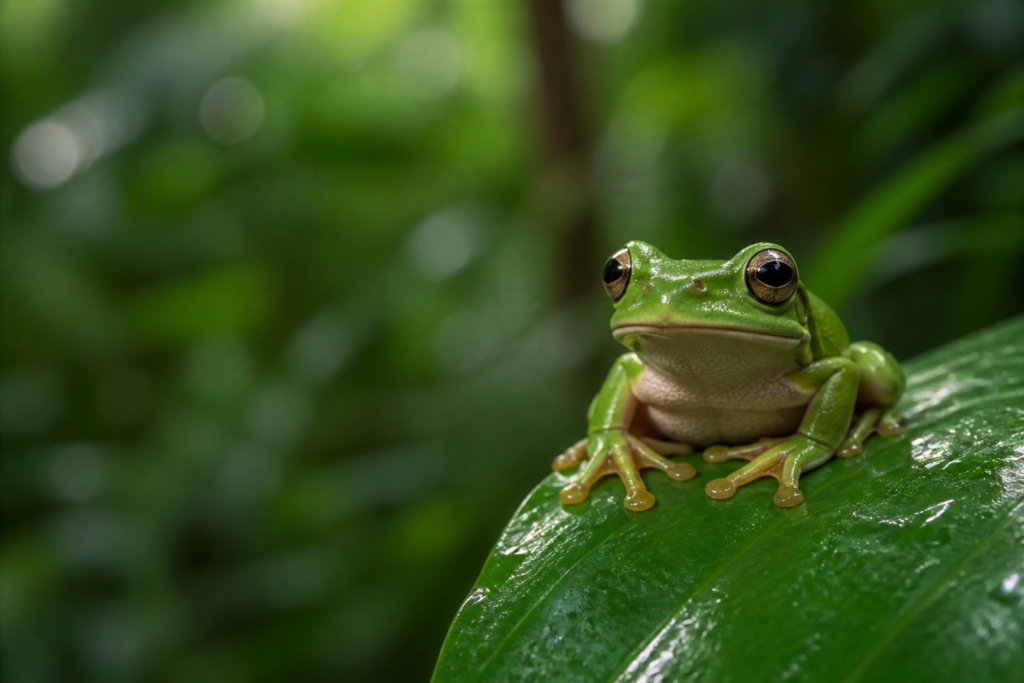
What is a frog like on the inside? Frogs have a compact body, a three-chambered heart, a backbone, and eyes that help them watch for food and danger. Their webbed feet help many species swim, while toe pads help some tree frogs grip leaves and bark. A frog’s color and markings can provide camouflage. These features vary widely, so a reliable field guide is useful when identifying a local species. For related explanations, read what frogs eat and why frogs need water.
What is a frog’s role in nature?
Frogs connect several parts of a food web. They can reduce insect numbers, move nutrients between water and land, and provide food for other animals. Their eggs and tadpoles also support aquatic ecosystems. Since frogs are sensitive to pollution and habitat loss, a decline in frog populations can warn that a wetland or stream needs protection.
Keep wondering
What do frogs eat, where do frogs live, and why do frogs need water?