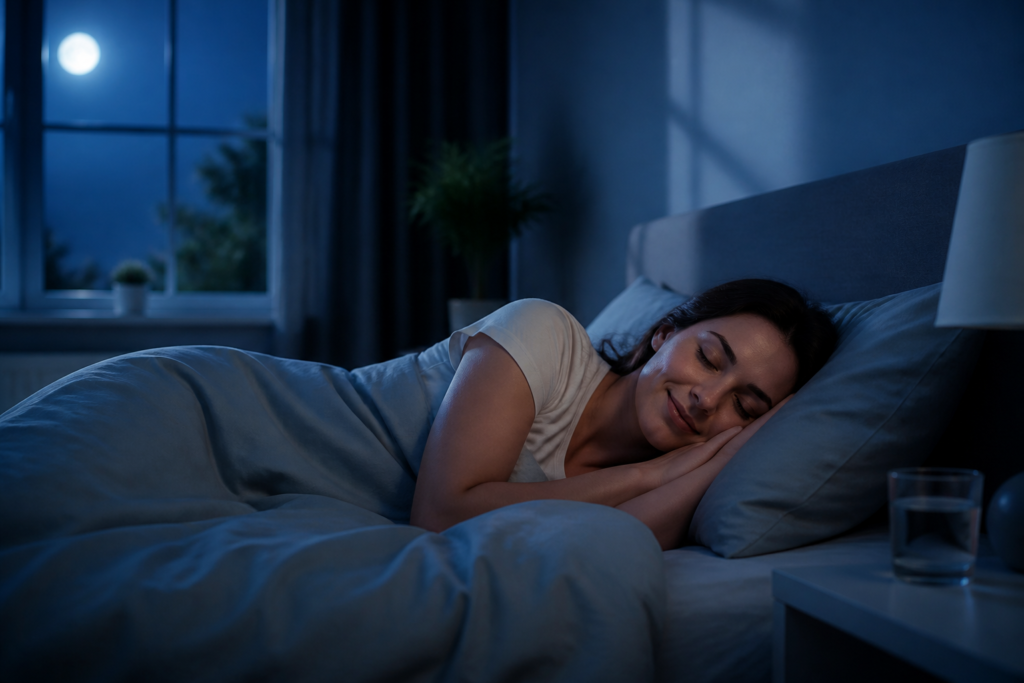
What makes us feel sleepy? Sleepiness comes from two interacting systems: a growing need for rest called sleep pressure and a body clock that times periods of wakefulness and sleep. Light, activity, illness, stress, caffeine, and the previous night’s rest can all change how sleepy someone feels.
Table of contents
Sleep pressure builds while we are awake
The longer you stay awake, the more sleep pressure builds. A chemical messenger called adenosine is one part of this process. During sleep, the body breaks down and clears some of the accumulated signal, so sleep pressure is lower after a good night’s rest. Caffeine can temporarily block adenosine receptors, but it does not remove the underlying need for sleep.
The circadian clock sets timing
The circadian clock is a roughly 24-hour timing system coordinated by the brain. It helps schedule alertness, body temperature, hormones, and sleep. The clock receives information about light and darkness, which helps it stay aligned with day and night. Jet lag and shift work can make a person sleepy at an inconvenient time because the clock and the schedule disagree.
Why light matters
Light is one of the strongest signals affecting the body clock. Morning light tends to support daytime alertness and an earlier sleep schedule. Bright light late in the evening can delay the release of melatonin, a hormone involved in preparing the body for sleep. Dimmer light before bed may make it easier to feel naturally sleepy.
Daily habits can change sleepiness
Exercise, meal timing, stress, naps, and caffeine all influence how sleepy we feel. A long or late nap may reduce sleep pressure at bedtime. Stress can make someone tired but mentally alert. Regular wake times, daylight exposure, and a comfortable bedroom often support a steadier pattern.
Why do we sometimes feel sleepy after eating?
Sleepiness after a meal can reflect the body clock, the size and composition of the meal, or simply the time of day. It is not caused by blood leaving the brain. A large meal may make the body feel less energetic while digestion is underway, but persistent severe daytime sleepiness has many possible causes.
When should sleepiness be checked?
Occasional tiredness is common. Talk with a qualified health professional if sleepiness is persistent, affects driving or work, or occurs with loud snoring, breathing pauses, or repeated nighttime awakenings. Read why we need sleep for the broader role of rest in brain and body health.
Short answer
What makes us feel sleepy? Sleep pressure accumulates while we are awake, and the circadian clock signals when the body should be alert or resting. Light and daily habits help adjust those signals.
What makes us feel sleepy in the evening is usually a combination of rising sleep pressure and the circadian clock moving toward nighttime. What makes us feel sleepy after a poor night of rest is the extra pressure carried into the next day.
Sleepiness is not always a sign that something is wrong. It can be a normal response to a late night, a demanding day, or a temporary change in schedule. The useful clues are timing, frequency, and what else is happening. If rest, regular light exposure, and a consistent routine do not help persistent daytime sleepiness, a health professional can look for causes instead of relying on guesswork.
A short afternoon dip in alertness can also follow the body clock rather than a lack of effort. Paying attention to patterns helps separate an ordinary lull from a problem that keeps returning.
Sources
How sleepiness builds during the day
Feeling sleepy is not caused by a single switch in the brain. Two systems work together. One is your body clock, which helps time periods of alertness and rest across roughly 24 hours. The other is sleep pressure, which gradually builds the longer you stay awake. That is why you can feel reasonably alert in the morning, more tired late at night, and especially sleepy after an unusually long day.
Light, activity, meals, and routines can all influence how awake you feel, but they do not erase the need for sleep. Bright light can temporarily increase alertness, for example, while dim evening light helps signal that nighttime is approaching. Caffeine can also make you feel less sleepy for a while, but it does not replace the restorative work that happens during sleep.
If you want the bigger picture, see why we need sleep. Sleepiness also connects with behaviors such as yawning, which is why our explanation of why yawning can be contagious is a useful next read.
The simple takeaway is that sleepiness is a normal biological signal. It reflects both how long you have been awake and where your internal clock is in its daily cycle. Occasional tiredness is normal, but persistent or extreme sleepiness can have many causes and is something to discuss with a qualified health professional.